

Description

Reefer Containers: The Essential Guide to Temperature-Controlled Shipping
Reefer containers are specialized shipping solutions designed to maintain precise temperature conditions for perishable goods during global transport. Whether you’re shipping fresh produce, pharmaceuticals, or frozen seafood, reefer containers provide reliable refrigeration that keeps cargo fresh from origin to destination. In this comprehensive SEO-optimized guide, we explore everything about reefer containers, their features, benefits, and why they are indispensable for modern logistics.
If you’re searching for high-quality reefer containers for your business needs, understanding their capabilities is key to making informed decisions.
What Are Reefer Containers?
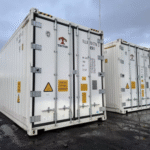
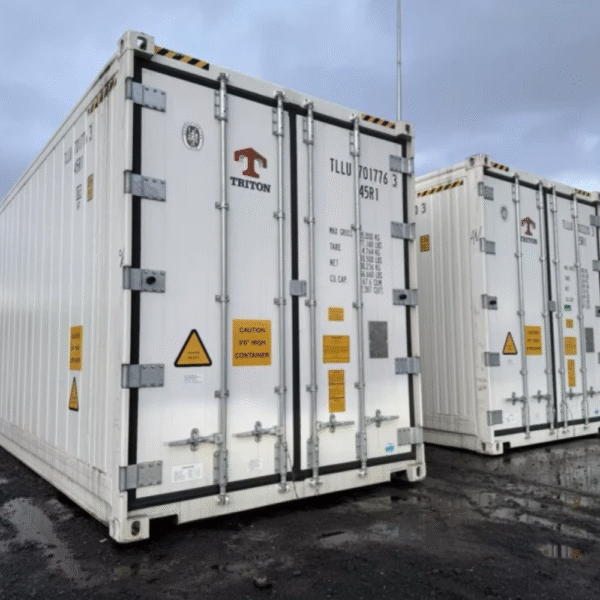
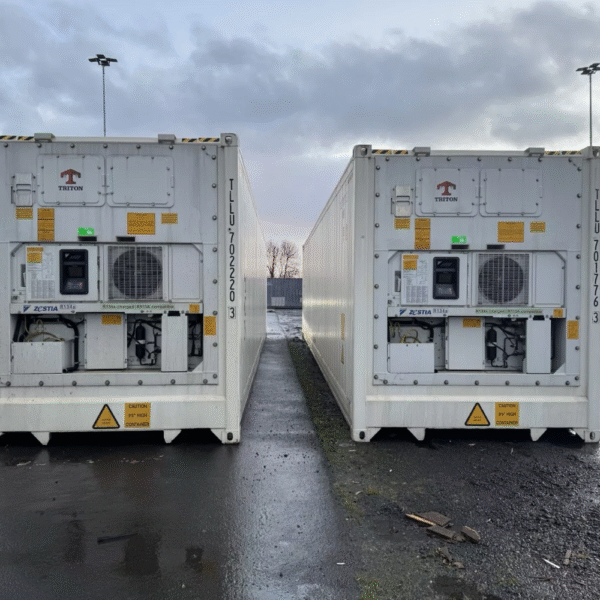
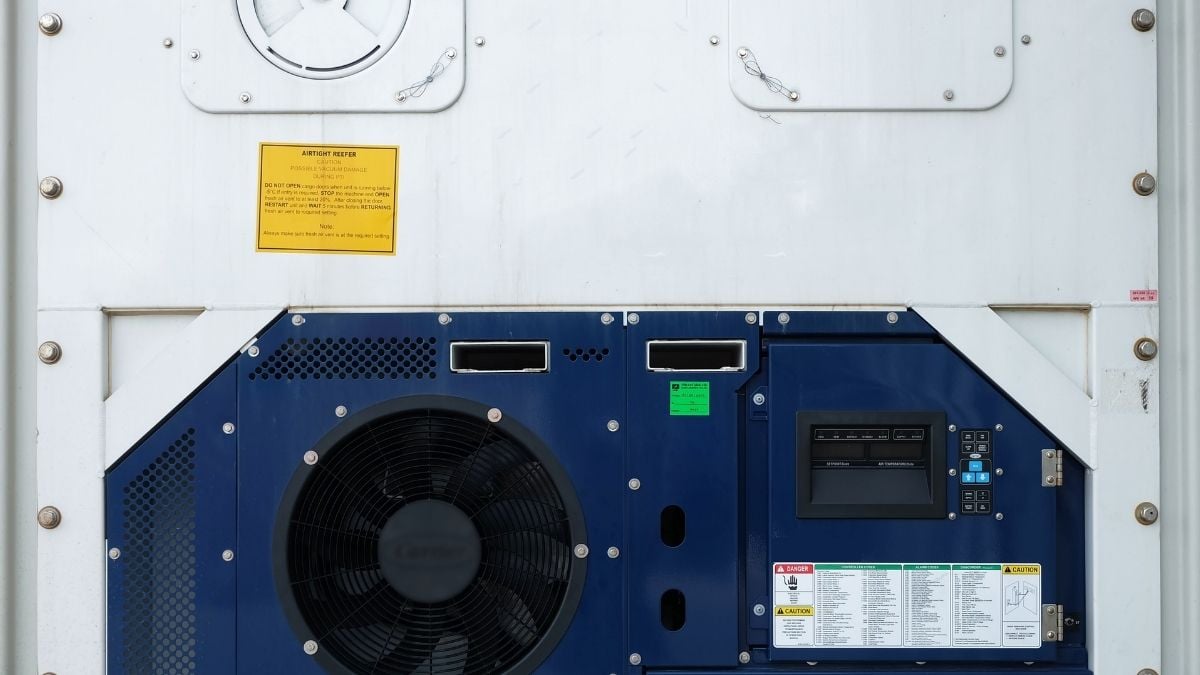
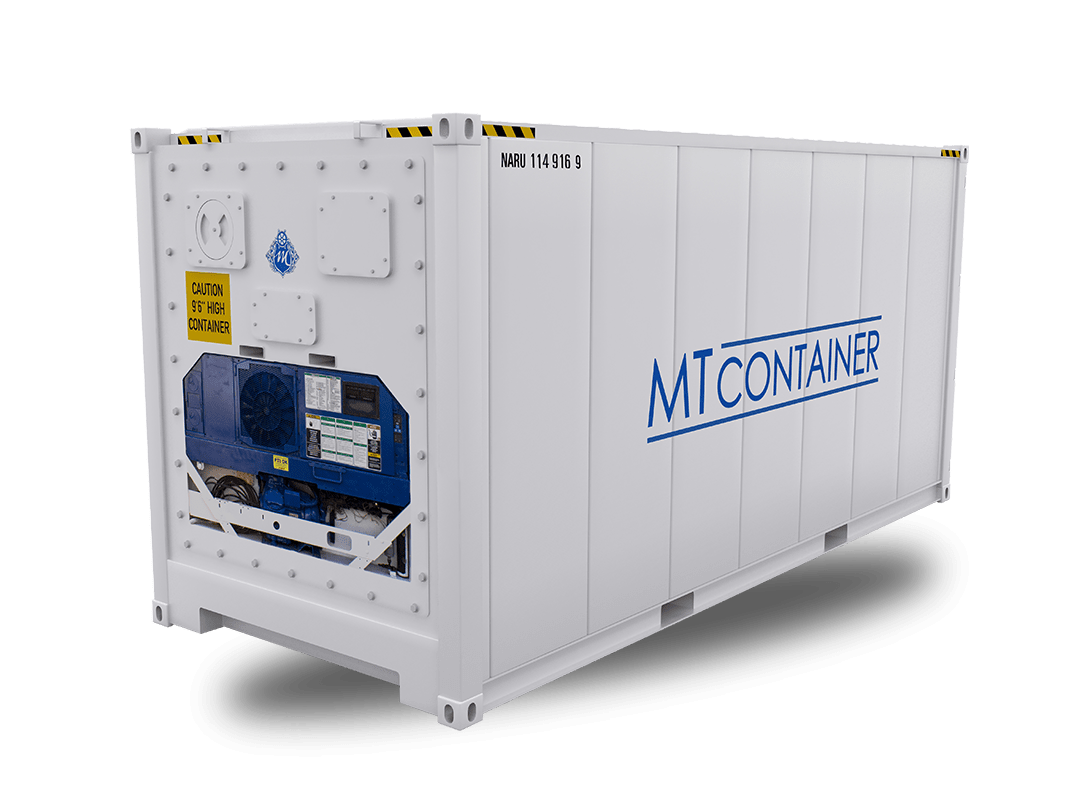
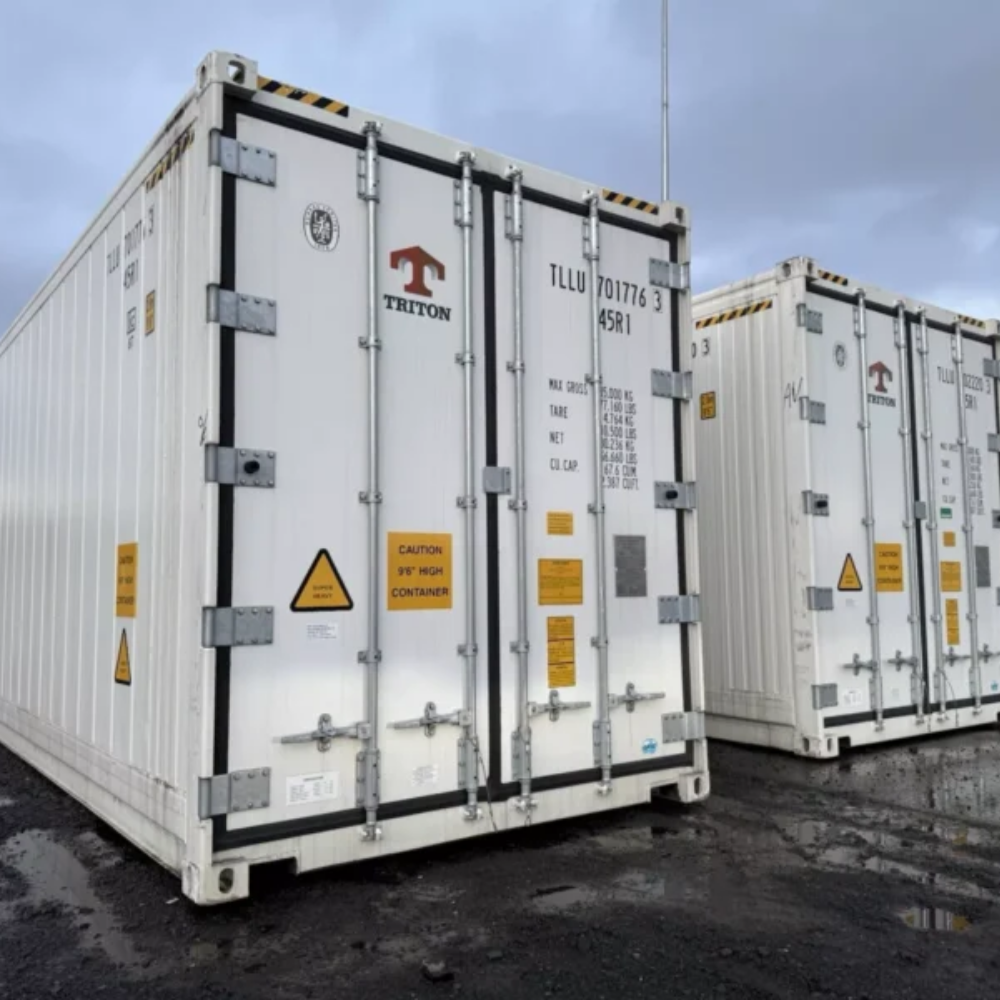
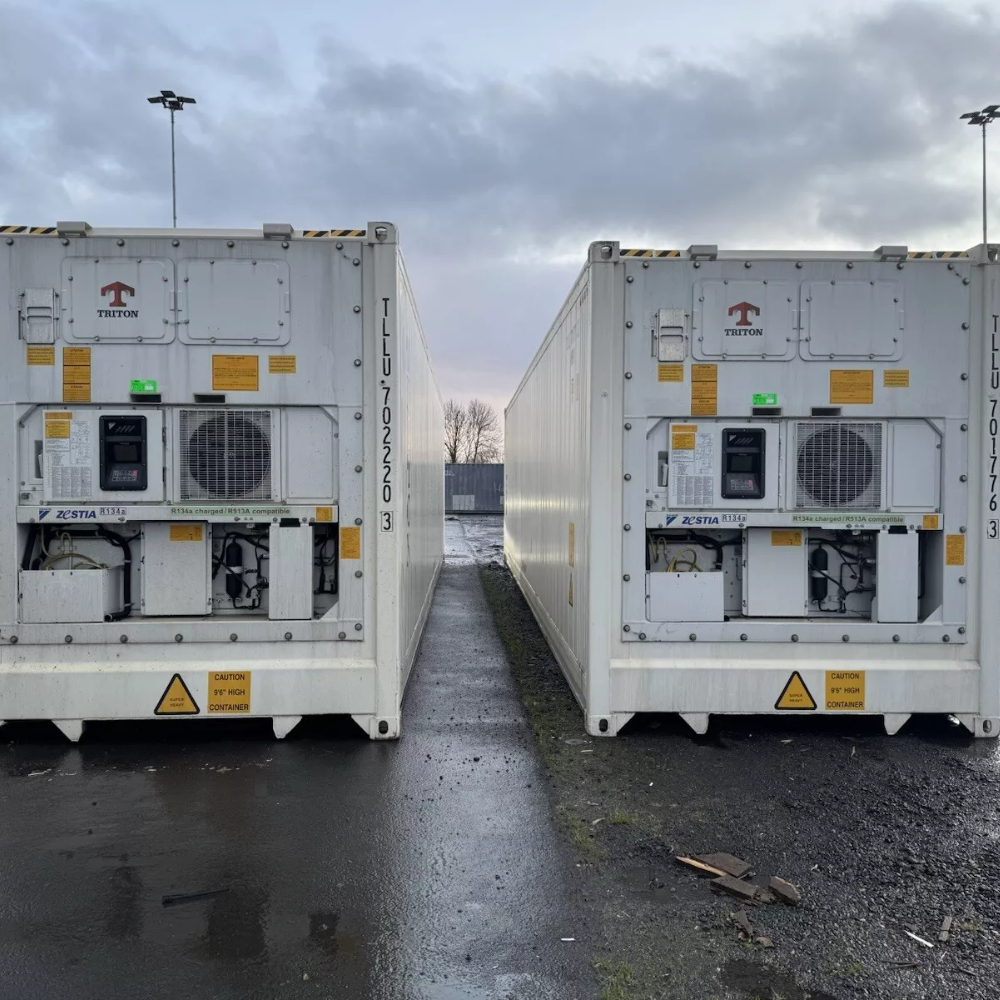
Reefer containers (short for refrigerated containers) are insulated shipping containers equipped with built-in refrigeration units. Unlike standard dry containers, reefer containers feature advanced cooling systems, thick insulation panels, and precise temperature controls that can maintain internal conditions from -30°C to +30°C.
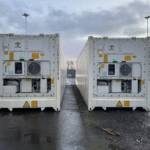
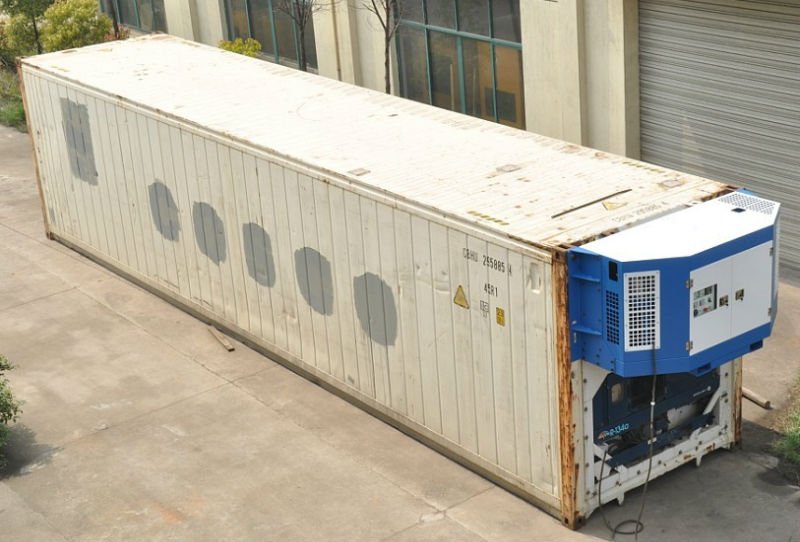
These containers come in standard sizes such as 20ft, 40ft, and high-cube variants, making them versatile for various shipping demands. The refrigeration unit, often powered by electric supply or integrated diesel generators (gensets), ensures consistent climate control even during long ocean voyages or overland trucking.

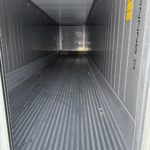
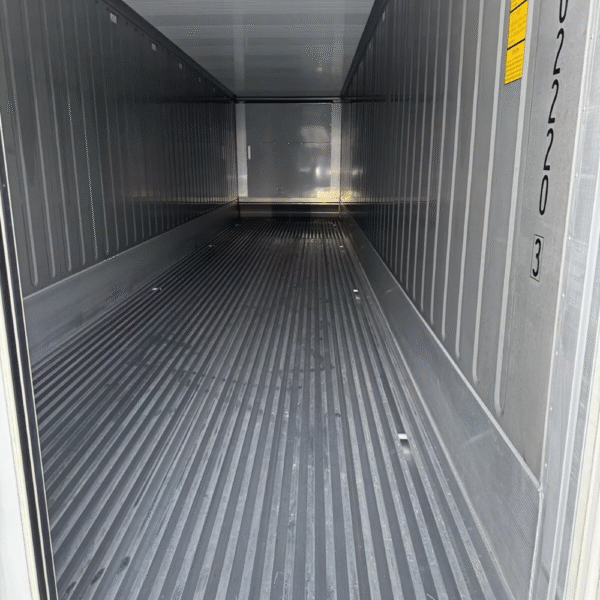
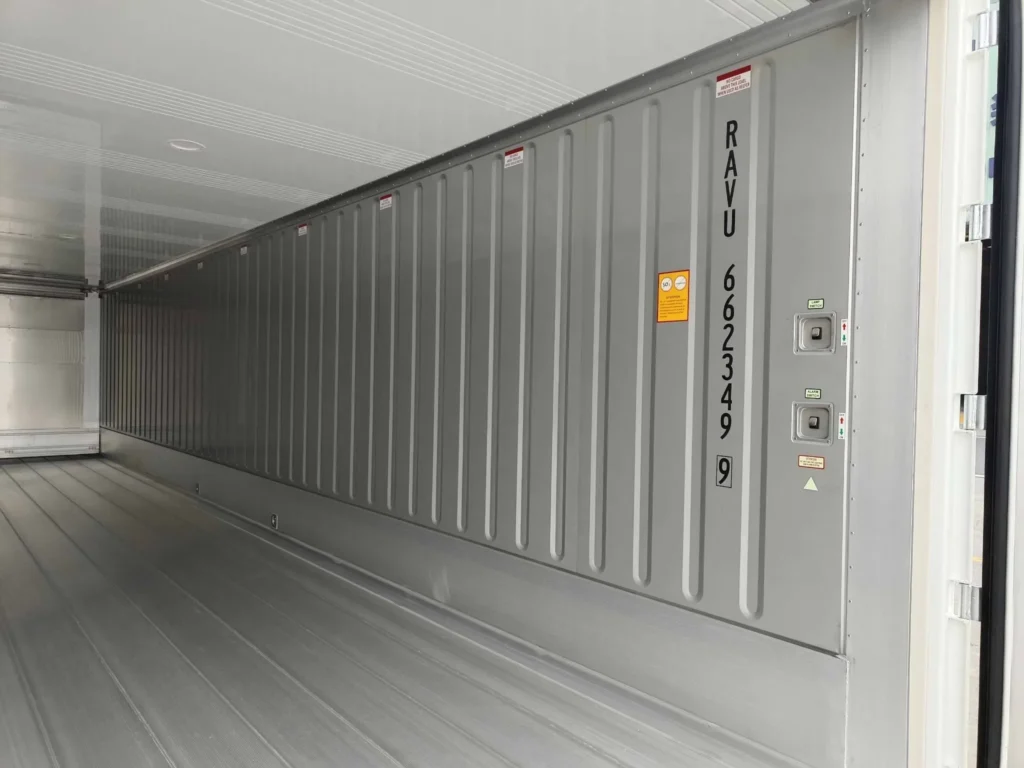
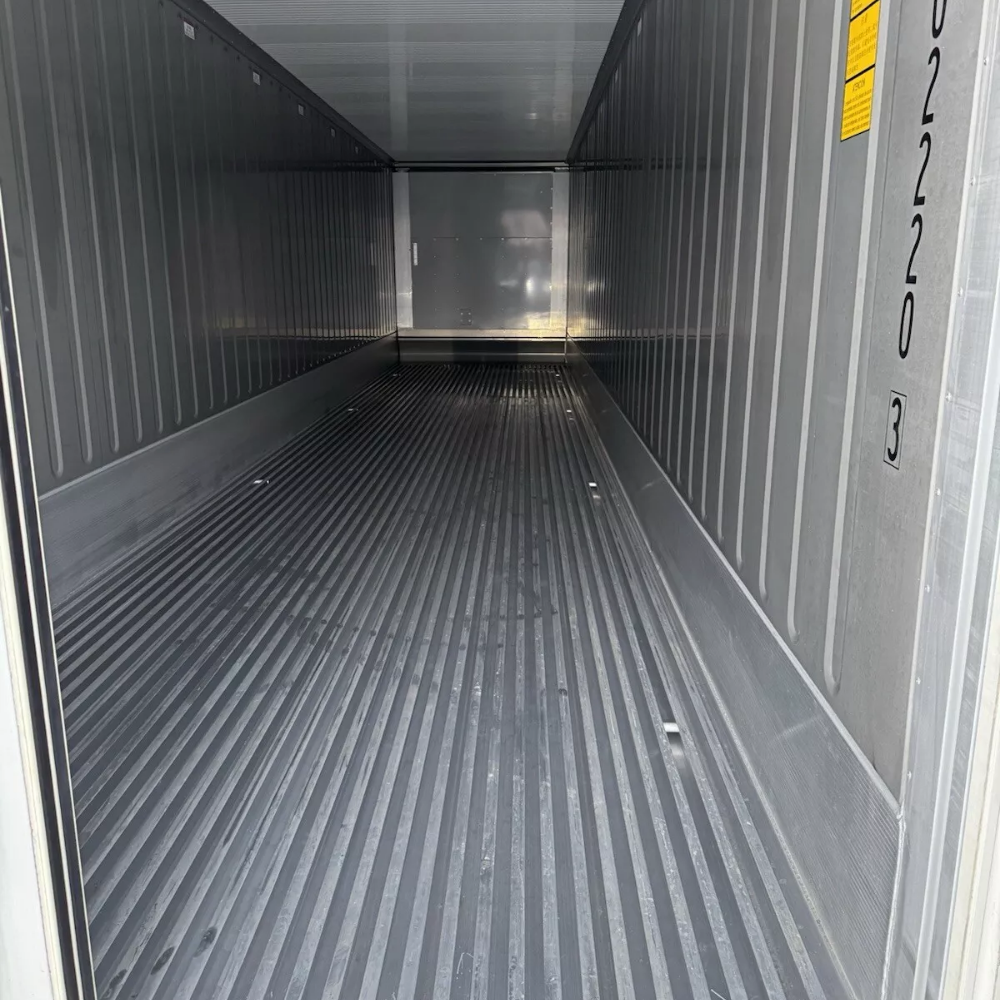
Reefer containers are built with durable materials like corten steel walls and aluminum T-flooring for superior airflow and easy cleaning. Every reefer container undergoes rigorous testing to meet international standards for food safety and pharmaceutical transport.
How Do Reefer Containers Work?
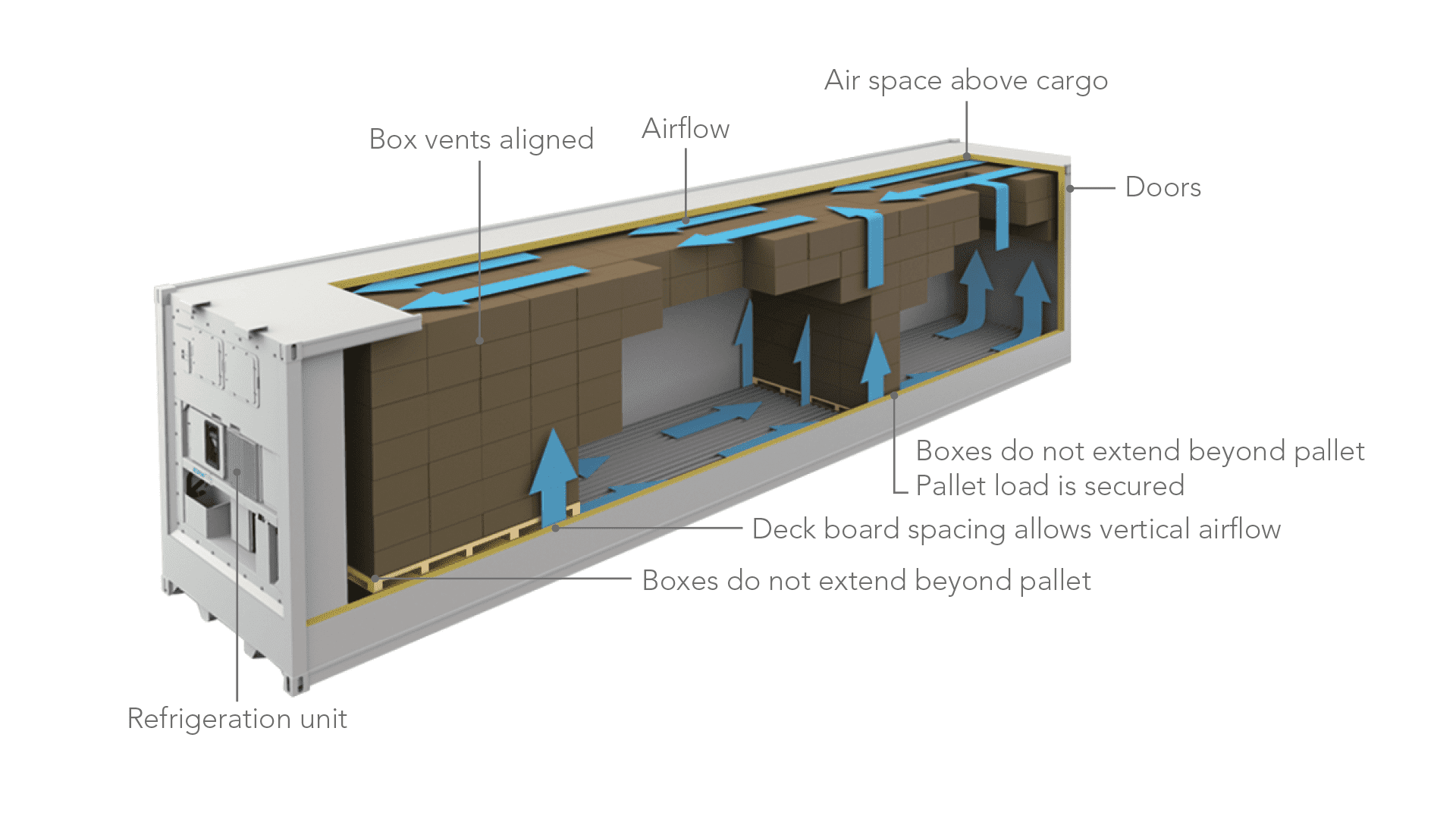
The technology behind reefer containers is sophisticated yet reliable. The refrigeration unit circulates cooled air through the container via a T-floor system that allows uniform airflow beneath and around the cargo. Fresh air intake and exhaust vents help regulate humidity and prevent ethylene buildup in produce shipments.
Key components of every reefer container include:
- High-efficiency compressor and condenser
- Evaporator fans for even temperature distribution
- Digital control panels for real-time monitoring
- Backup power options like integrated gensets
This design ensures reefer containers can handle extreme external conditions while protecting sensitive cargo inside.
Types of Reefer Containers Available
When selecting reefer containers, it’s important to understand the different types suited to specific needs:
20ft Reefer Containers
Compact and cost-effective, 20ft reefer containers are ideal for smaller shipments or regional transport. They offer excellent temperature control for pharmaceuticals and specialty foods.
40ft and High-Cube Reefer Containers
The most popular choice for international shipping, 40ft reefer containers (including high-cube models) provide maximum capacity while maintaining precise climate conditions. High-cube versions offer extra height for bulkier loads.
Specialized Reefer Containers
Some reefer containers are modified for ultra-low temperature needs or feature advanced monitoring systems with GPS and remote temperature tracking.
Key Benefits of Reefer Containers
Businesses worldwide rely on reefer containers for several compelling reasons:
- Temperature Precision: Maintains exact conditions required for perishable items, reducing spoilage and waste.
- Global Reach: Enables safe long-distance shipping by sea, road, or rail without compromising quality.
- Versatility: Suitable for food, beverages, flowers, chemicals, and medical supplies.
- Cost Efficiency: Protects high-value cargo, minimizing losses and insurance claims.
- Sustainability: Modern reefer containers use energy-efficient refrigerants and eco-friendly designs.
Investing in premium reefer containers translates to higher product quality and better customer satisfaction.
Common Applications for Reefer Containers
Reefer containers serve diverse industries:
- Food and Beverage: Fresh fruits, vegetables, meat, dairy, and frozen products.
- Pharmaceuticals: Vaccines, medicines, and biologics requiring strict temperature chains.
- Floriculture: Cut flowers and plants that need controlled humidity.
- Seafood: Fresh fish and shellfish transported globally.
- Chemicals: Temperature-sensitive industrial products.
No matter the cargo, reefer containers ensure compliance with strict international regulations.

How to Choose the Right Reefer Containers for Your Needs
Selecting the perfect reefer containers involves considering several factors:
- Cargo Type and Temperature Requirements
- Shipment Volume and Duration
- Size and Capacity Needs
- Power Supply Options (electric, genset, or dual)
- Condition (new, used, or refurbished reefer containers)
Always verify the refrigeration unit brand (Thermo King or Carrier are industry leaders) and check certification for your target markets.

Maintenance Tips for Long-Lasting Reefer Containers
Proper care extends the life of your reefer containers:
- Schedule regular pre-trip inspections of the refrigeration unit.
- Clean the T-floor and evaporator coils after every use.
- Monitor temperature logs and calibrate sensors periodically.
- Service gensets and electrical components annually.
- Store reefer containers in covered areas when not in use to prevent corrosion.
Following these steps keeps your reefer containers operating at peak efficiency.
Frequently Asked Questions About Reefer Containers
What is the difference between a reefer container and a standard dry container?
Reefer containers include active refrigeration and insulation systems, while dry containers do not control temperature. Reefer containers are specifically engineered for perishable and temperature-sensitive cargo.
How long can reefer containers maintain temperature without power?
Most reefer containers can hold temperature for several hours thanks to insulation, but continuous power is recommended for longer journeys. Gensets provide backup during transit.
Are reefer containers suitable for frozen goods?
Yes! Reefer containers can reach temperatures as low as -30°C, making them perfect for frozen seafood, ice cream, and other deep-frozen products.
What is the typical lifespan of a reefer container?
With proper maintenance, high-quality reefer containers last 15–20 years or more in active service.
Can I buy used reefer containers?
Absolutely. Refurbished reefer containers offer excellent value while still providing reliable performance for many applications.
How much does it cost to operate reefer containers?
Operating costs depend on size, journey length, and power source, but efficient modern reefer containers minimize energy use and overall expenses.
Why Invest in Quality Reefer Containers Today?
In an era of global supply chains and rising demand for fresh products year-round, reefer containers are more important than ever. They bridge the gap between producers and consumers while ensuring safety, quality, and regulatory compliance.
Whether you’re a logistics company, exporter, or importer, choosing the right reefer containers can transform your operations and give you a competitive edge.
Conclusion: Elevate Your Shipping with Reliable Reefer Containers
Reefer containers represent the pinnacle of temperature-controlled logistics technology. From precise climate management to versatile applications across industries, these specialized units deliver unmatched performance and peace of mind.
Ready to explore top-tier reefer containers for your business? Contact reputable suppliers for new, used, or custom reefer containers tailored to your exact specifications.


Reviews
There are no reviews yet.