


Description
Insulated Shipping Container – Complete Guide, Benefits, Uses & Buying Tips
Insulated Shipping Container: The Ultimate Solution for Temperature-Controlled Transport
An insulated shipping container is a specialized container designed to maintain a stable internal temperature, protecting goods from external environmental changes. These containers are widely used in industries such as food logistics, pharmaceuticals, chemicals, and cold chain shipping.
Unlike standard containers, insulated shipping containers are built with high-performance materials like polyurethane foam or expanded polystyrene (EPS), which significantly reduce heat transfer and help maintain consistent internal conditions.
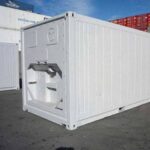
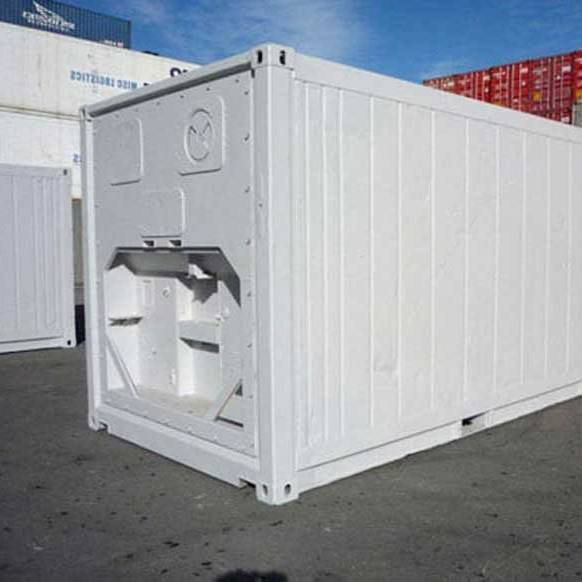
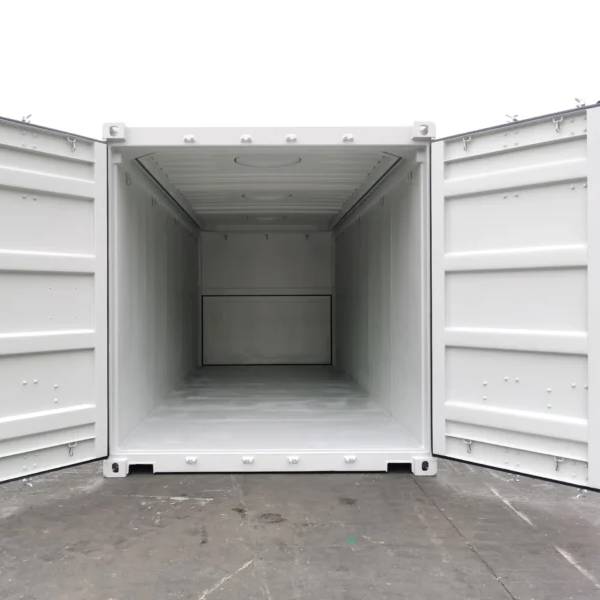
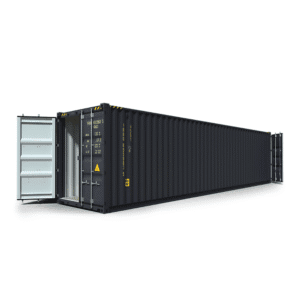
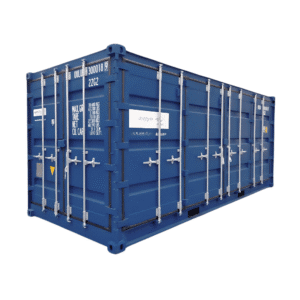
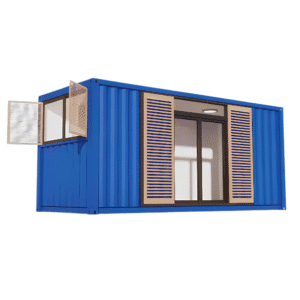
Insulated Shipping Container Product Gallery


Insulated Shipping Container: What Is It and How It Works
Insulated Shipping Container Definition
An insulated shipping container is designed to protect temperature-sensitive products by minimizing thermal exchange between the inside and outside environment.
How Insulated Shipping Containers Work
These containers rely on:
- Thick insulated walls
- Airtight sealing systems
- Optional cooling agents (ice packs, dry ice, PCM)
- Temperature monitoring devices
They maintain temperature ranges such as:
- Ambient (15°C to 25°C)
- Refrigerated (2°C to 8°C)
- Frozen (-20°C to -80°C)
Insulated Shipping Container Types
1. Passive Insulated Shipping Containers
- No active cooling system
- Use insulation + refrigerants
- Cost-effective and lightweight
2. Active Insulated Shipping Containers
- Built-in refrigeration units
- Ideal for long-distance shipping
- Precise temperature control
3. EPS Foam Containers
- Lightweight and affordable
- Common for food and pharmaceuticals
4. Polyurethane (PUR) Containers
- Higher insulation performance
- Reusable and durable
Insulated Shipping Container Applications
Food Industry
- Fresh produce
- Frozen foods
- Dairy products
Pharmaceutical Industry
- Vaccines
- Medicines
- Biological samples
Chemical Industry
- Temperature-sensitive chemicals
- Lab materials
E-commerce & Logistics
- Meal delivery kits
- Specialty goods
Insulated shipping containers play a critical role in maintaining the cold chain, ensuring products remain safe and effective throughout transportation.
Insulated Shipping Container Key Features
Thermal Protection
Reduces the impact of external temperature fluctuations.
Durability
Built with strong materials to withstand transport conditions.
Energy Efficiency
No constant power needed (for passive models).
Custom Sizes
Available in multiple sizes including 10ft, 20ft, and 40ft containers.
Eco-Friendly Options
Many are recyclable and reusable.
Insulated Shipping Container Benefits
1. Temperature Stability
Maintains consistent internal conditions even in extreme environments.
2. Cost Savings
Reduces spoilage and product loss.
3. Versatility
Suitable for multiple industries and products.
4. Easy Transport
Compatible with global shipping systems.
5. Reduced Energy Use
Passive containers do not require electricity.
Insulated Shipping Container vs Refrigerated Container
| Feature | Insulated Shipping Container | Refrigerated Container |
|---|---|---|
| Cooling System | Passive | Active |
| Cost | Lower | Higher |
| Maintenance | Minimal | High |
| Use Case | Short-term transport | Long-term cold storage |
Insulated containers are often referred to as non-operational refrigerated containers because they lack active cooling systems.
Insulated Shipping Container Buying Guide
Factors to Consider
- Temperature requirements
- Duration of transport
- Container size
- Insulation material
- Reusability
- Compliance with regulations
Material Options
- EPS (cost-effective)
- Polyurethane (high performance)
- Vacuum insulated panels (premium option)
Customization Options
- Shelving
- Temperature monitoring
- Locking systems
- Branding
Insulated Shipping Container Maintenance Tips
- Regularly inspect insulation integrity
- Clean and sanitize after each use
- Check seals and closures
- Monitor temperature logs
- Store in dry conditions
Insulated Shipping Container FAQ
1. What is an insulated shipping container used for?
It is used to transport temperature-sensitive goods like food, pharmaceuticals, and chemicals while maintaining a stable internal environment.
2. How long can an insulated shipping container maintain temperature?
Depending on the design and refrigerants used, it can maintain temperature from several hours up to 120+ hours.
3. What materials are used in insulated shipping containers?
Common materials include expanded polystyrene (EPS), polyurethane foam, and vacuum panels.
4. Do insulated containers require electricity?
No, passive insulated shipping containers do not require electricity, while active ones may include cooling systems.
5. What is the difference between insulated and reefer containers?
Reefer containers have active cooling systems, while insulated containers rely on insulation and refrigerants.
6. Are insulated shipping containers reusable?
Yes, many models—especially PUR containers—are reusable and designed for multiple shipments.
7. Can insulated containers handle extreme temperatures?
Yes, they can maintain conditions from ambient to deep frozen ranges depending on design.
8. What industries use insulated shipping containers?
Food, pharmaceutical, chemical, and logistics industries commonly use them.
Conclusion
An insulated shipping container is an essential solution for businesses that require reliable temperature control during transport and storage. With its cost-effectiveness, versatility, and ability to maintain product integrity, it remains a critical component of modern logistics and cold chain systems.
If you’re looking to improve your shipping efficiency while protecting sensitive goods, investing in a high-quality insulated shipping container is a smart and scalable decision.

Reviews
There are no reviews yet.